
IIT Ropar TIF (AWaDH)
Deep Tech R&D Driven Accelerator (TIH)
Advanced ecosystem monitoring — powered by AI
In a rapidly changing world, protecting our planet's biodiversity is more critical than ever. AWaDH's Biodiversity Sensor and Scanner redefines ecosystem assessment — empowering researchers, conservationists, and policymakers with cutting-edge tools for real-time monitoring across diverse habitats.
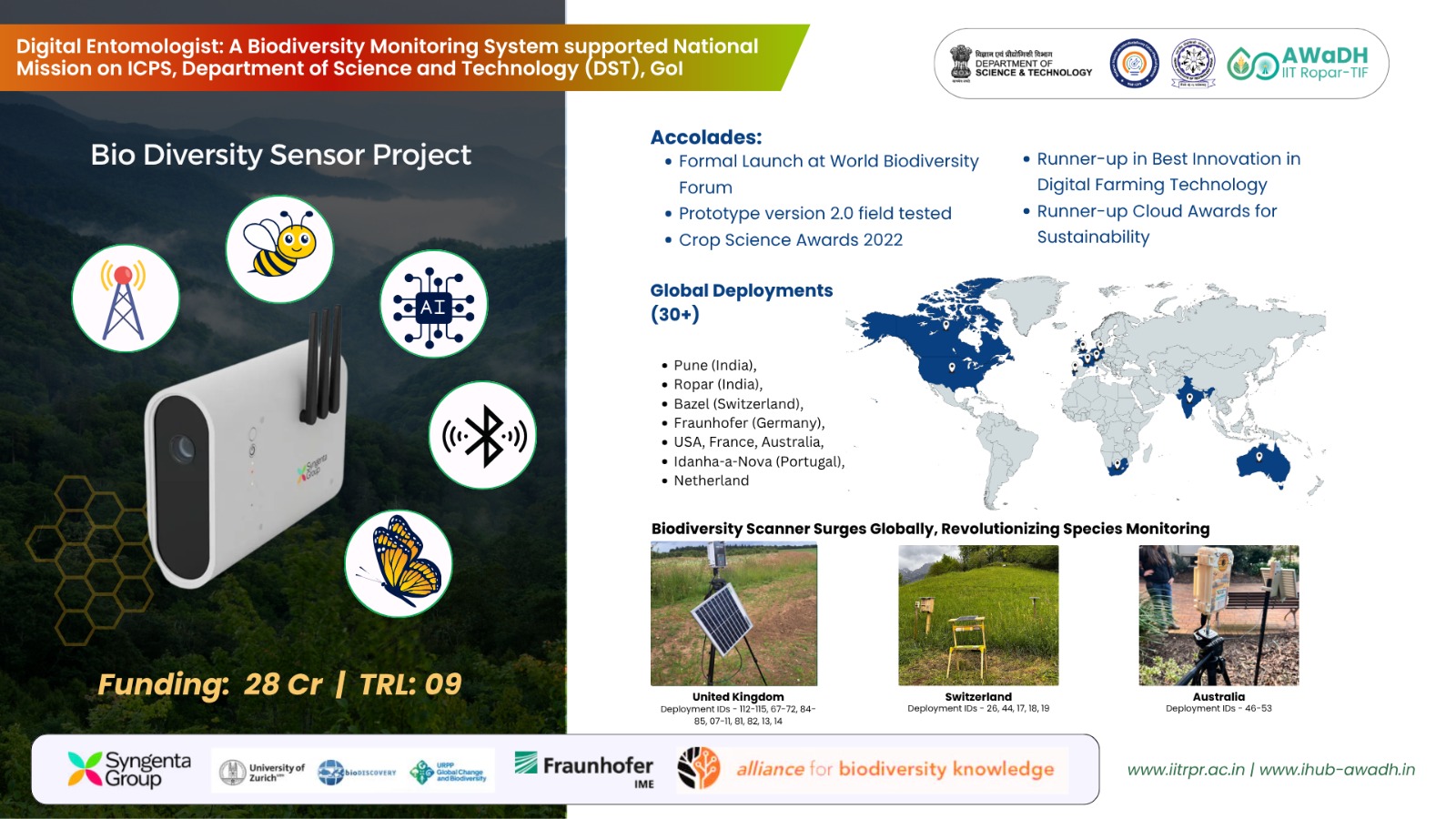
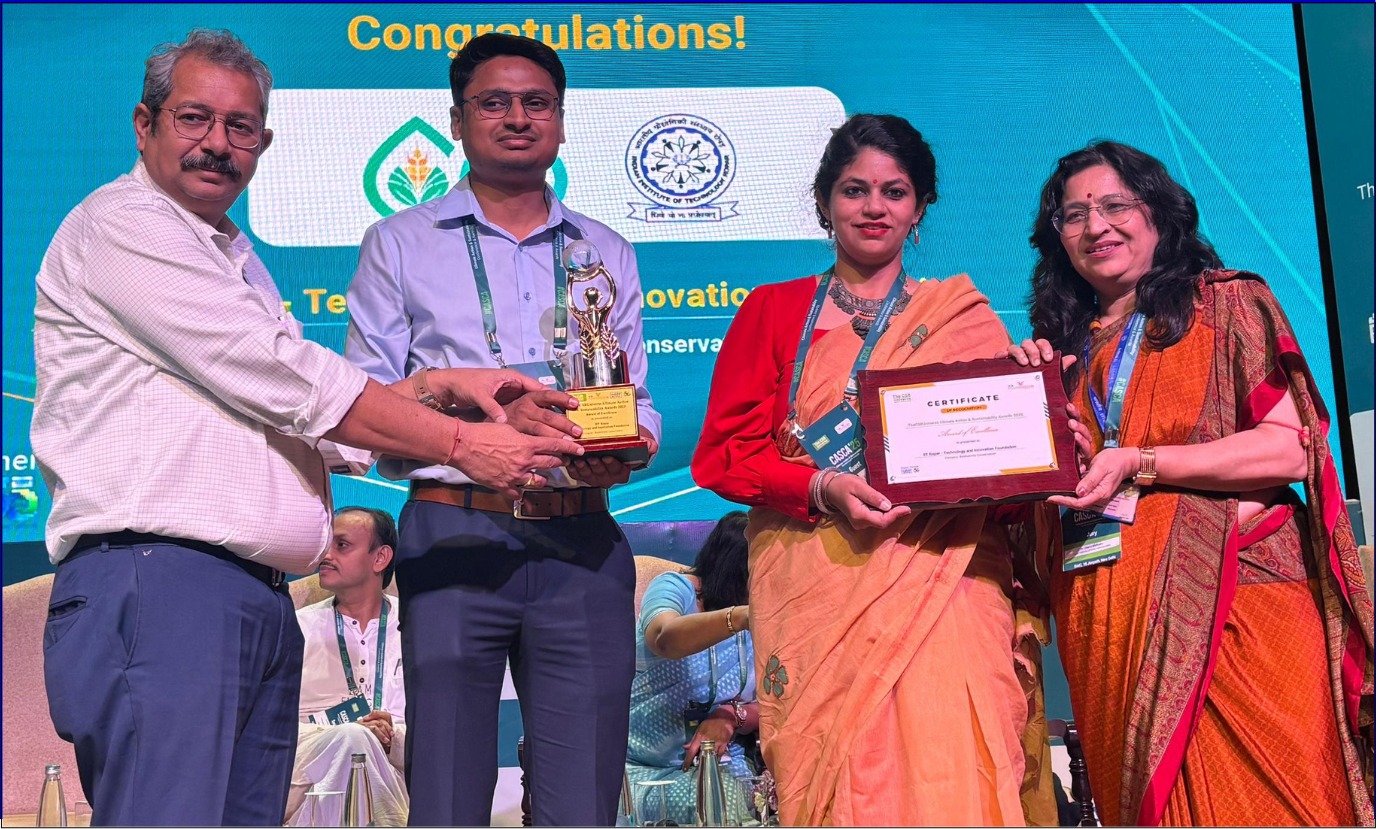
The Biodiversity Sensor and Scanner emerged from world-class collaboration, bringing together leading minds and institutions to tackle real-time ecosystem monitoring at scale. This multi-disciplinary alliance combines deep scientific expertise with advanced engineering.
The result is a practical, scalable solution designed to thrive in the most diverse and challenging environments on Earth.
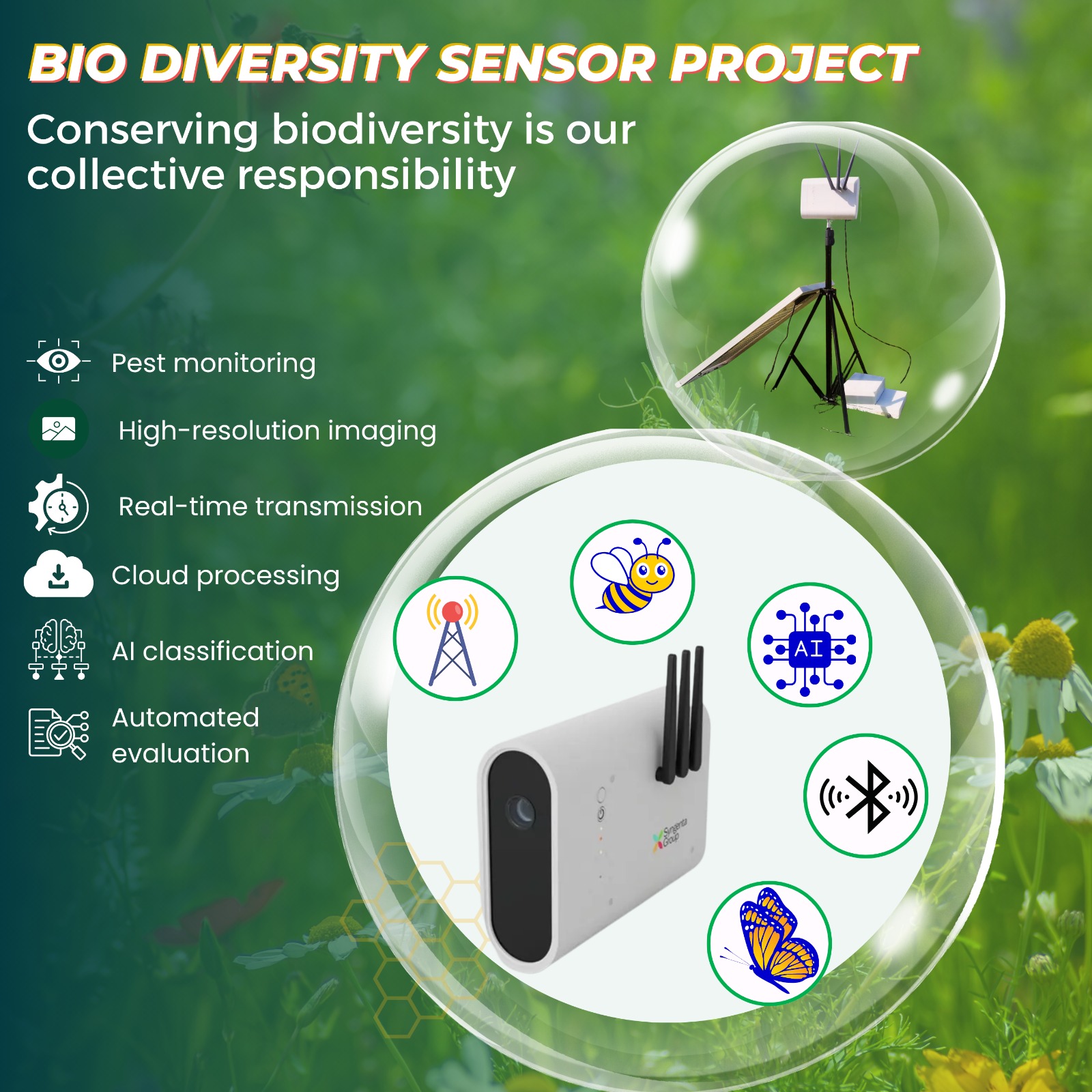
What sets the Biodiversity Sensor and Scanner apart is its exceptional design. Featuring advanced PCBs, high-resolution imaging, and AI-driven species identification, it delivers detailed, accurate data analysis of insect species and environmental patterns.
Real-time data transfer from even the most remote field locations.
On-device intelligence for automated species classification.
Secure cloud storage with local backup — zero data loss.
Capture fine morphological details for precise identification.
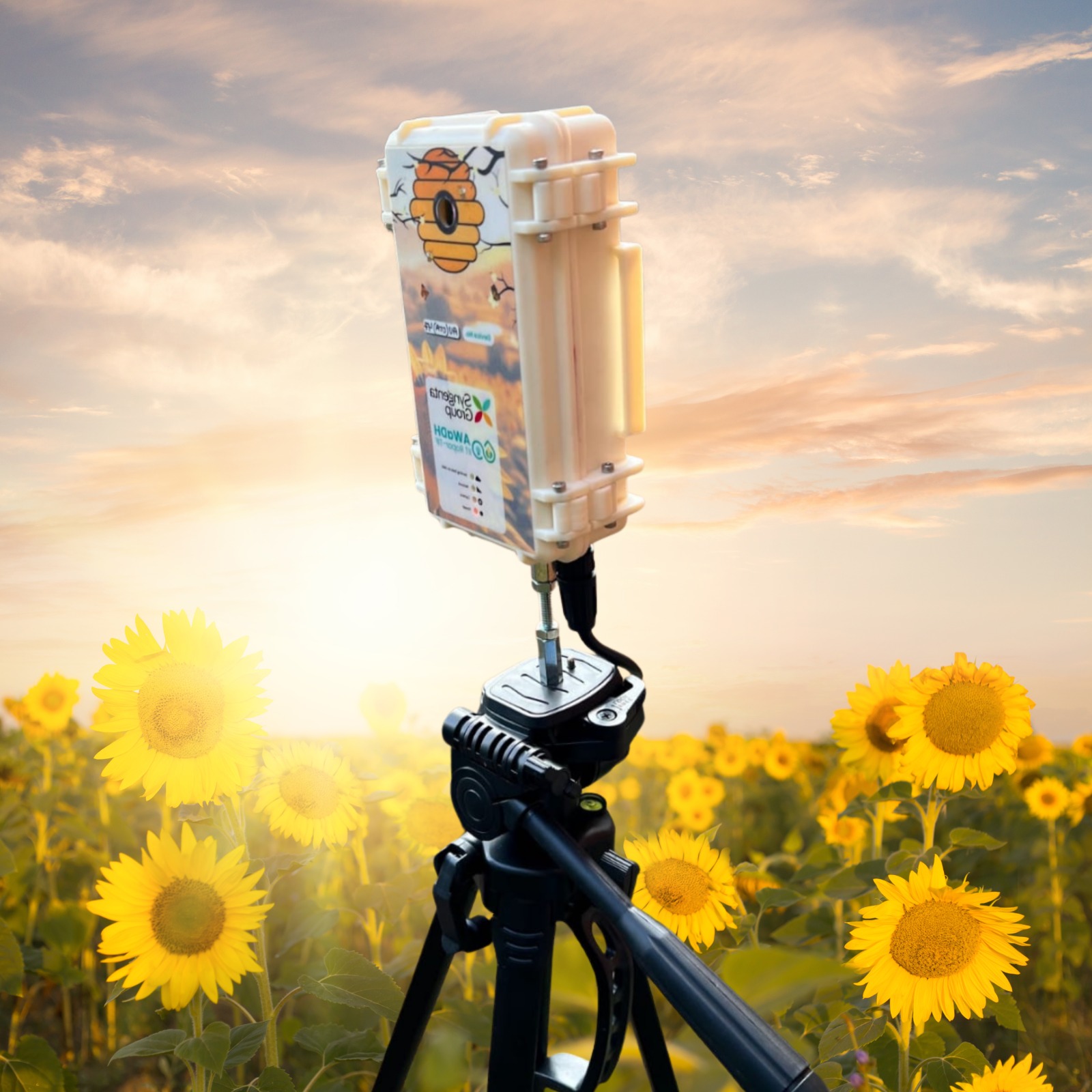
Already active in over 30 locations worldwide, the sensor is revolutionizing biodiversity monitoring — providing actionable insights to track species and detect ecosystem changes in real time.
More than a technological breakthrough, the Biodiversity Sensor and Scanner reflects AWaDH's unwavering dedication to ecological balance. By harnessing advanced technology, AWaDH is enabling deeper insights into biodiversity while supporting global conservation efforts.
Track species populations and detect habitat changes with precision data.
Empower researchers with standardized, replicable field data at scale.
Equip policymakers with evidence-based insights for conservation planning.
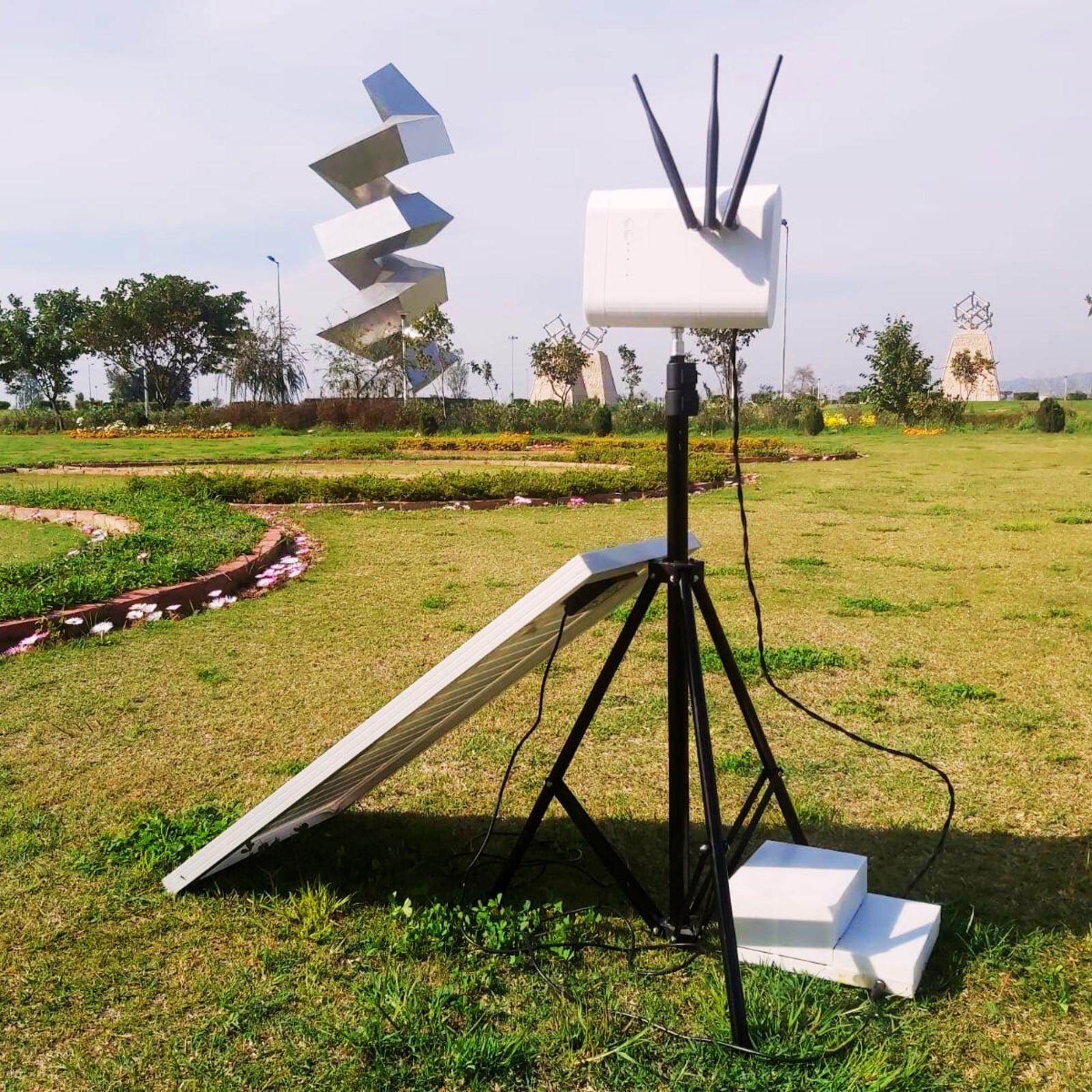
Whether you’re a researcher, conservationist, or institution — join the global network working to protect Earth’s biodiversity through innovation.