
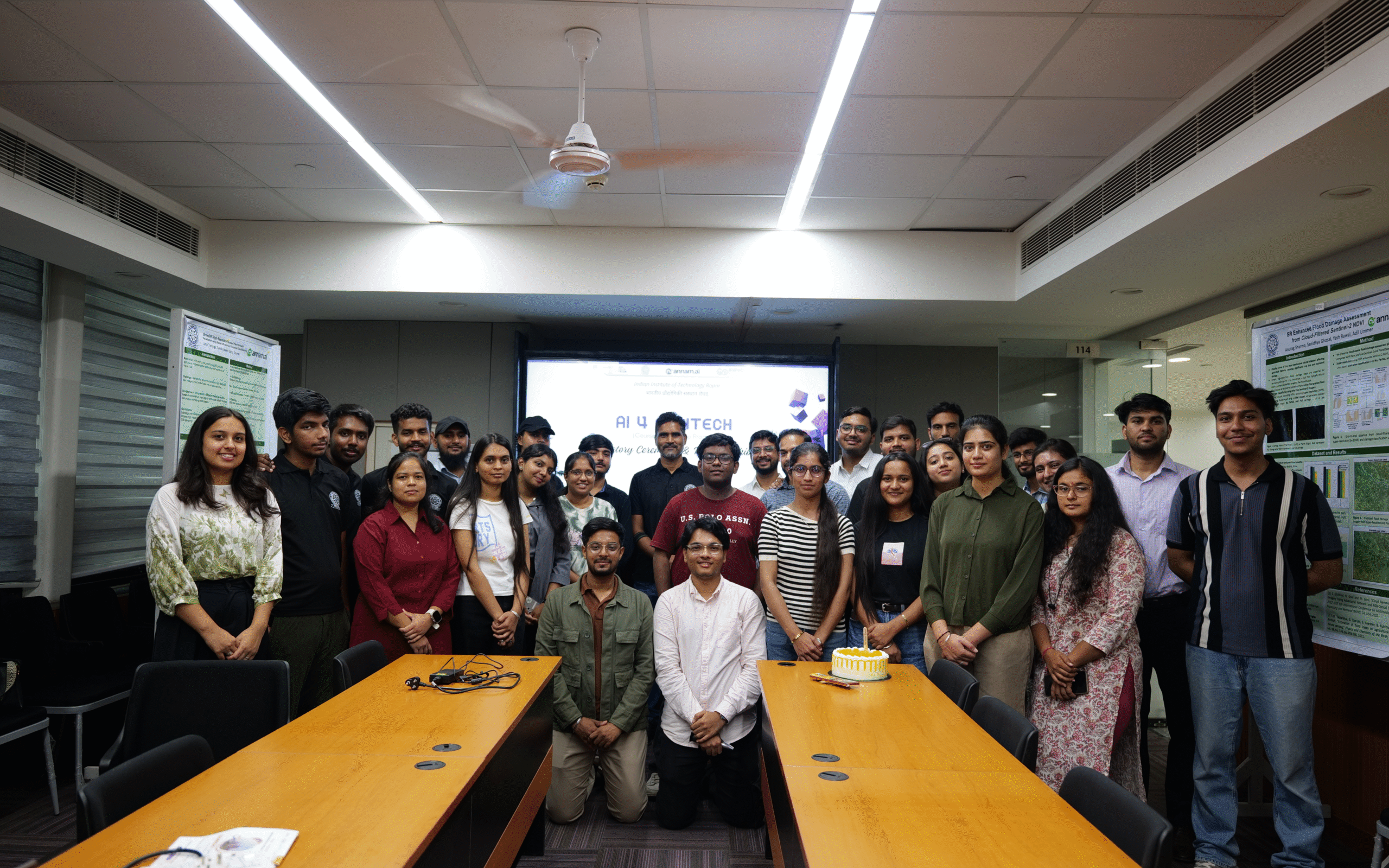
Course Introduction
The AI4Agritech course, collectively organized by ANNAM.AI (Centre of Excellence under the Ministry
of Education at IIT Ropar) and IIT Ropar TIF iHub – AWaDH, was a 6-week program aimed at equipping
students, researchers, and professionals with AI-driven tools for sustainable agriculture. The program
successfully combined technical lectures, lab sessions, and hands-on training with cultural and
experiential learning through activities like Bhangra, volleyball, a farm visit, and an exhibition. This
report documents the key details, outcomes, and impact of the course.
Agriculture remains the backbone of India’s economy, and with global challenges such as climate change,
water scarcity, and the need for sustainable practices, the integration of Artificial Intelligence in this
sector has become critical. The AI4Agritech course was conceptualized to bridge this gap by bringing AI
technologies directly into the agricultural domain. It empowered participants to explore how AI can
improve efficiency, productivity, and sustainability in farming systems.
The course provided participants with comprehensive skills in AI/ML, agricultural data handling, and
predictive analytics tailored for precision agriculture. Participants worked with diverse datasets including
satellite imagery, drone data, sensor outputs, and time-series information, gaining the ability to transform
raw data into actionable insights. Beyond the technical skills, the program emphasized innovation and
critical thinking, encouraging students to develop prototypes and project ideas that could solve real-world
agritech challenges.
Objectives:
● Provide in-depth training in AI/ML concepts and demonstrate their practical applications in
agriculture.
● Equip participants with advanced tools and software for precision farming, crop monitoring, yield
forecasting, and resource management.
● Build capacity in handling and analyzing agricultural data from multiple sources including IoT
sensors, drones, and remote sensing.
● Foster innovation through hands-on projects, hackathon-style problem solving, and
demonstrations of AI-enabled agritech solutions.
● Create an interdisciplinary learning environment that blends technology, agriculture, and
entrepreneurship, preparing participants for impactful careers in the agritech ecosystem
Roles and Responsibilities
ANNAM.AI Foundation (Knowledge Partner)
● Provided subject-matter experts to deliver the training curriculum and provided mentorship to
participants.
● Developed and delivered modules on AI and machine learning tailored to agricultural
applications.
● Provided AI-related resources, including computing environments, data sets, and tools needed for
training and internship activities.
● Guided participants during the internship, ensuring they applied learned concepts in real-world
agritech projects.
● Supported in evaluating participants’ projects, including final exams and project presentations.
TIF AWaDH (Facilitator)
● Managed the financial aspects of the program, including collecting fees, managing the program
budget, and ensuring payment disbursements.
● Handled all operational and administrative tasks, including participant registration, scheduling,
and logistics for on-campus sessions.
● Provided the necessary infrastructure for the training, including classrooms, accommodations for
participants, and internet connectivity.
● Oversaw the internship coordination, helping participants gain industry exposure and facilitating
connections with real-world agritech projects.
● Ensured the overall quality and coordination of the program, including participant support and
progress tracking.
Course Details
● Duration & Timeline: June 1 – July 15, 2025 (6 weeks).
● Mode: Entirely offline, including a 2-week on-campus segment at IIT Ropar.
● Structure:
○ 20 lectures and 20 lab sessions.
○ Modules on AI/ML basics, data processing (satellite, drone, sensor, time-series), and
predictive modeling.
○ Hands-on training using Python, Jupyter Notebook, and Google Colab.
○ Mid-term and final exams for certification.
On-Campus Experience:
● Stay at IIT Ropar for the entire course duration.
● Farm visits & Demo Day.
● Bhangra Sessions
● Aerobics Session
● Recreational Activities and Team Dinner
● End Exam + Certificate.
● ID Card & Course Kit provided to each participant.
Participation
● Target Audience: Students, researchers, and professionals from agriculture, technology, and
interdisciplinary fields.
● Enrolled Students: 22
● Diversity: Participants represented multiple states and academic backgrounds.
● Total Applications: 30
● Shortlisting was based on academic background, motivation, and interest in AI and agritech.
Special Sessions & Activities
● Bhangra Workshop: Weekly Bhangra session introduced participants to Punjabi cultural
heritage.
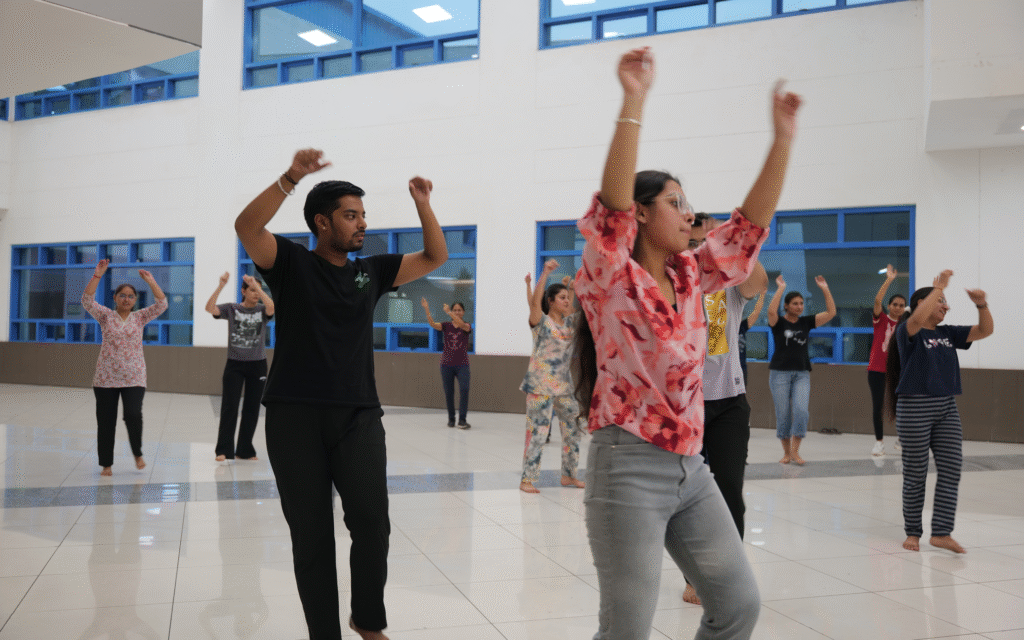
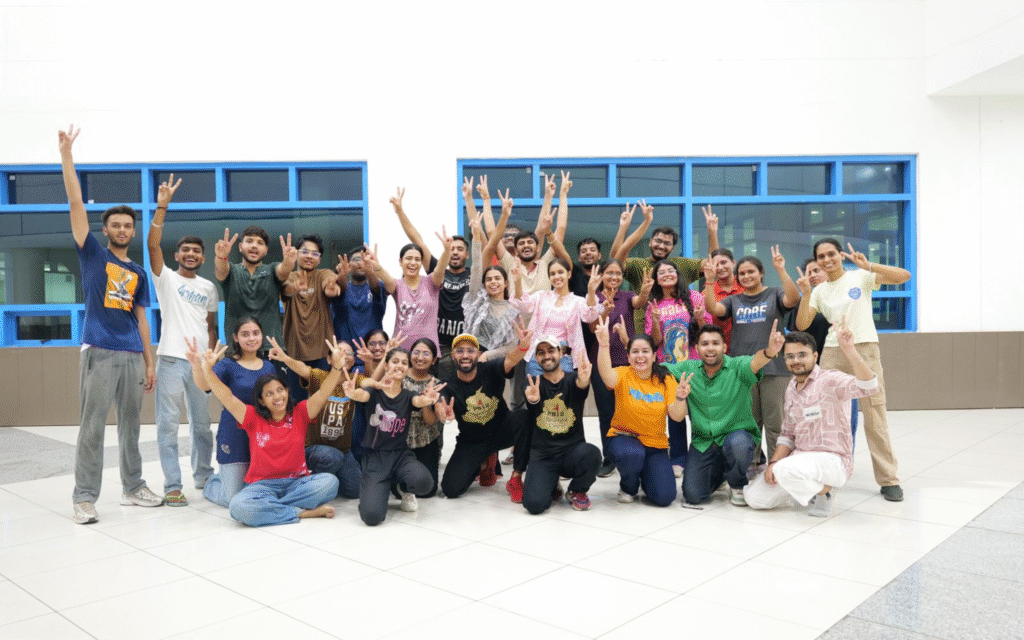
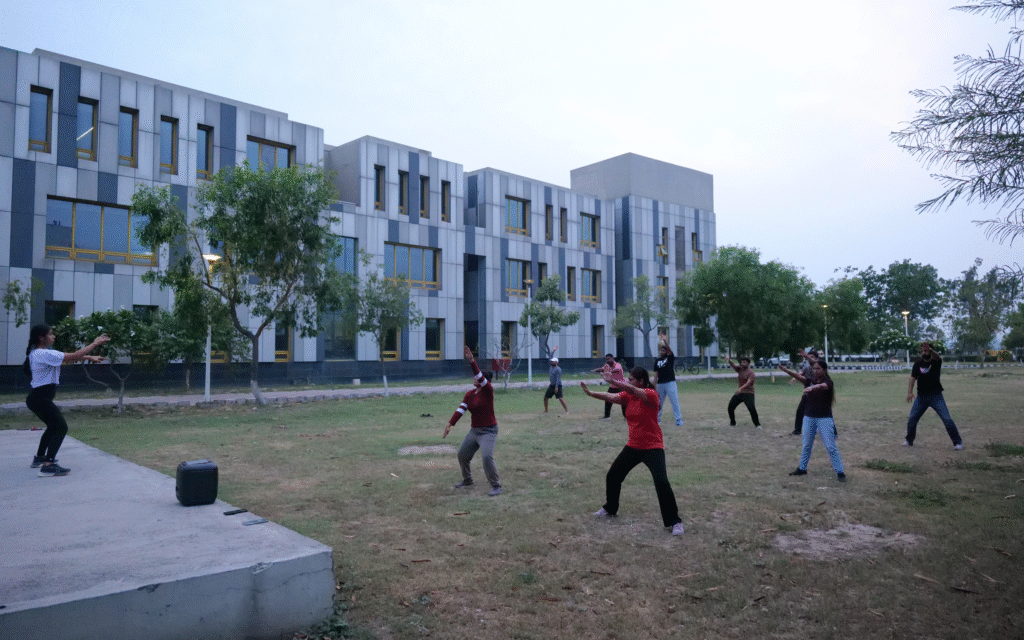
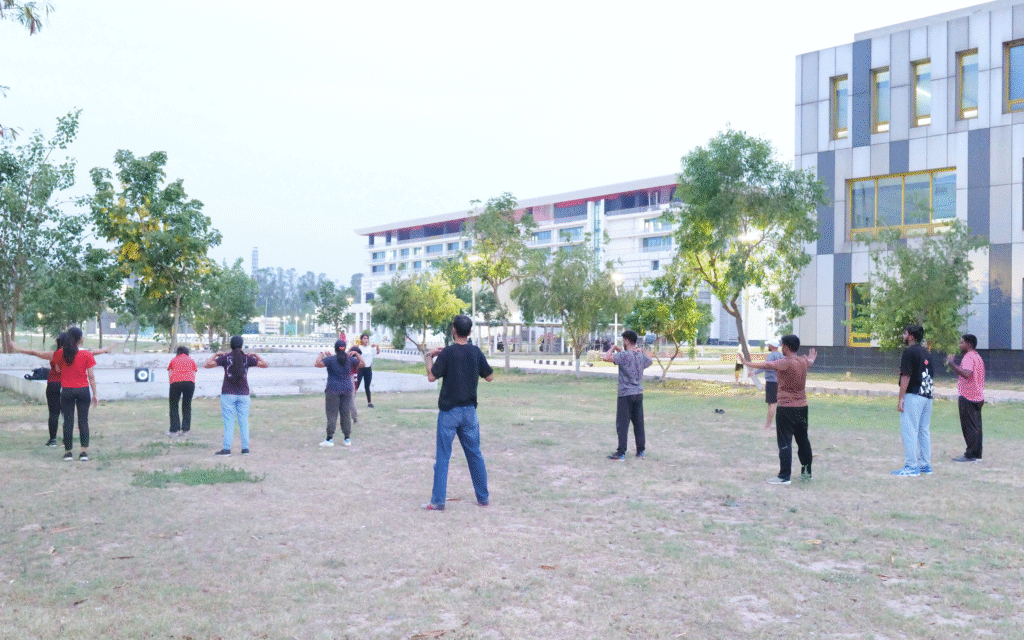
● Aerobic Session: Aerobics and Volleyball sessions were organised to engage students and
promote physical health.
● Recreational Activities: Evening volleyball sessions to promote physical fitness and team
building.
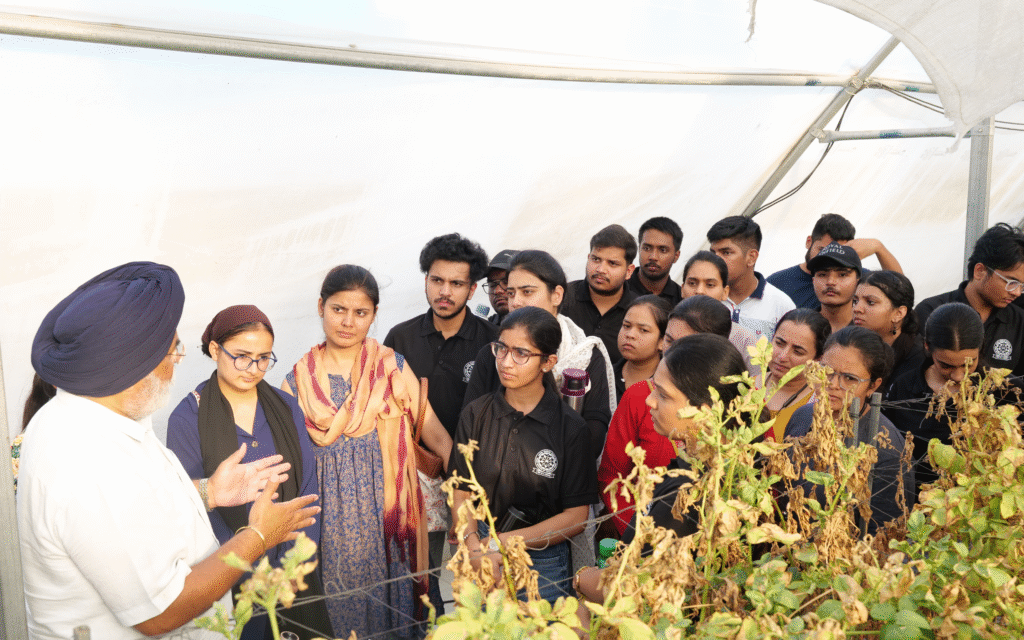
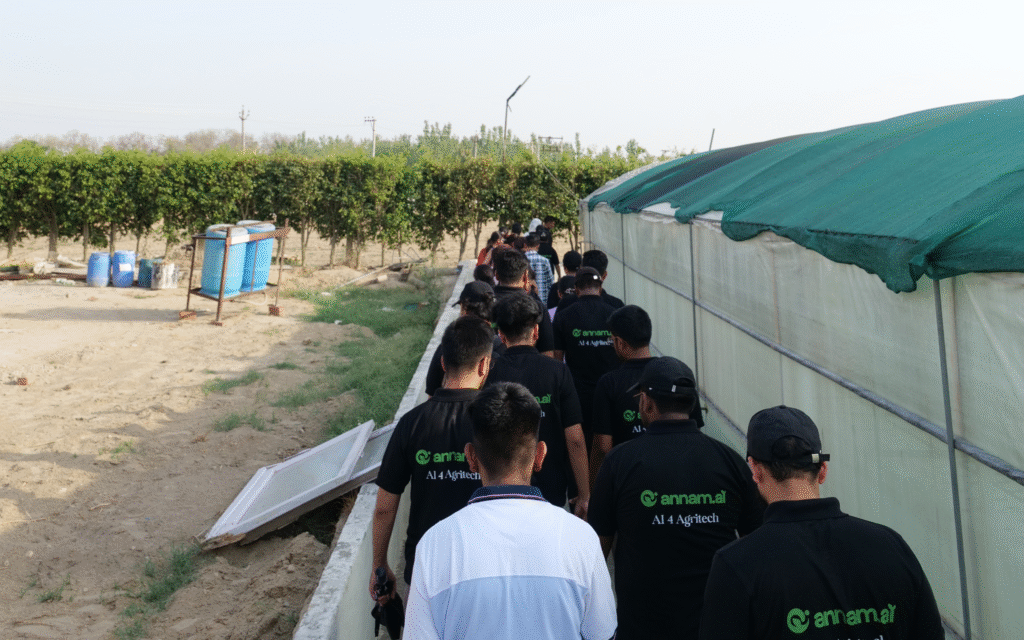
● Farm Visit: Hands-on exposure to agricultural practices and field demonstrations.
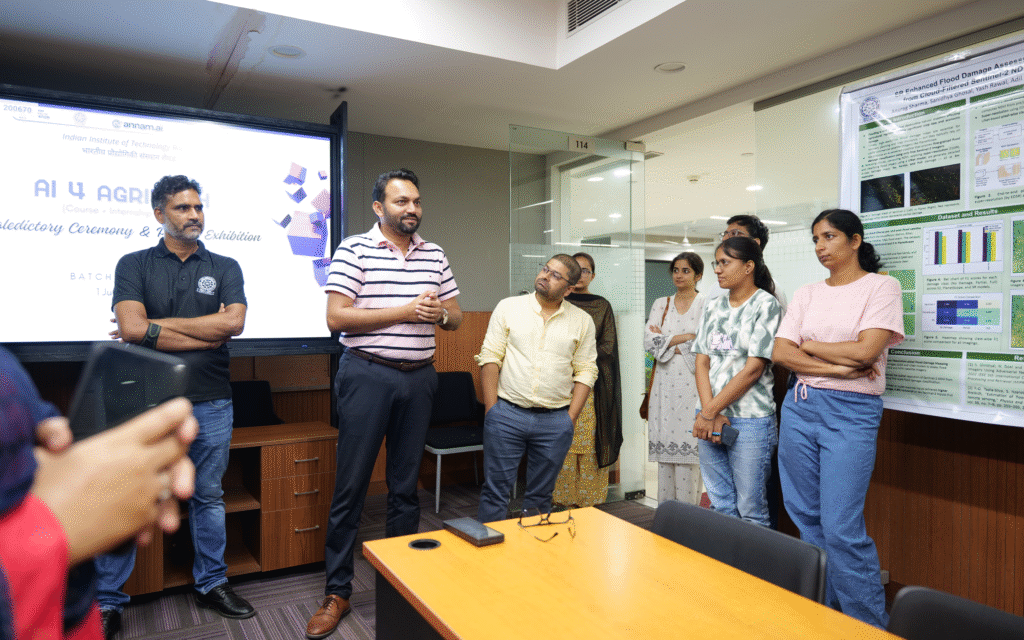
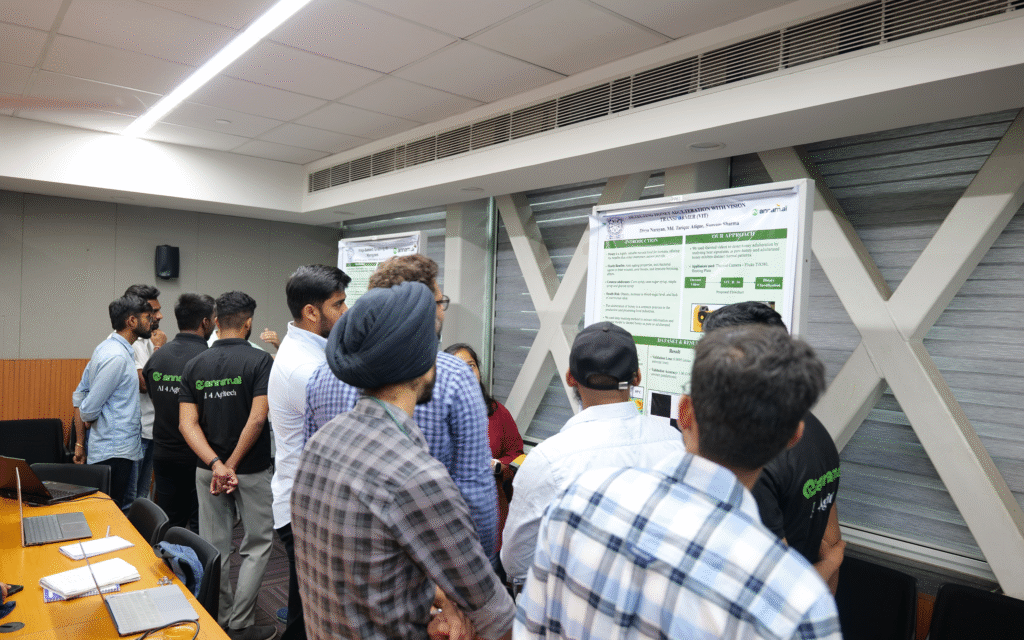
● Exhibition & Demo Day: Participants showcased their projects and AI-driven agritech solutions.
Outcomes & Impact
● Certification: Awarded upon 80% attendance and achieving ≥40% in the final exam.
● Skills Gained: Proficiency in AI/ML applications for agriculture, data analytics, and
problem-solving.
● Innovation: Students developed prototypes and project ideas, some progressing towards
research/patent support.
● Networking: Enhanced industry-academia connections through expert mentorship and
collaborative activities.
● Internships: Multiple students were awarded full-time paid internship opportunities, enabling
them to apply their skills in real-world agritech projects.
Feedback & Testimonials
Md. Tarique Atique shared that the entire course was well-structured, and he especially
appreciated how the faculty adjusted the pace according to students’ learning needs.
Deep Kaur mentioned that Dr. Mukesh Saini and the staff were extremely supportive throughout
the program, making the learning experience highly engaging and practical.
Anshika Sharma highlighted that she not only gained valuable AI skills but also received an
internship opportunity through the course, which gave her practical exposure to real-world
agritech challenges.
Conclusion & Future Plans
The AI for Agritech course proved to be a unique initiative blending technology with real-world
agricultural challenges. By integrating cultural exposure, recreation, and innovation-driven learning, the
course created a holistic experience.
Future Plans:
● Expand the program to include more advanced modules.
● Scale participation to a national and international level.
● Collaborate with industry partners for live projects and internships.